What is Digital Asset Management (DAM)? Full Guide
Your complete guide to organizing, managing, and distributing digital content.
Learn how DAM systems help teams find the right assets in seconds—not hours.
Top 10 Benefits of DAM For Ecommerce Businesses
Already convinced DAM is essential? Discover the specific ways it transforms ecommerce operations, from faster time-to-market to improved brand consistency.
Benefits of Digital Asset Management
The benefits of implementing a DAM system include both immediate improvements and long-term strategic value across multiple areas.
DAM makes assets searchable using structured metadata like keywords, dates, campaign IDs, product tags, or usage rights. Instead of digging through folders or pinging coworkers, users find exactly what they need in seconds.
Search filters, smart folders, and visual previews all help streamline the discovery process. As your asset library grows, this benefit compounds, saving hours every week across multiple teams.
With a centralized system, everyone from creatives and marketers to sales and external partners can work from the same source of truth. No more emailing giant attachments or asking “which version is final?”
Built-in workflows let you review, approve, and publish assets in one place. Teams can comment, make revisions, and track changes without switching platforms or losing context.
A DAM system ensures only the most current, approved assets are in circulation. That means your brand stays consistent across touchpoints: social media, ecommerce listings, presentations, ads, and print.
Templates, style guides, and media kits can also be stored in the DAM so everyone (internal teams or third-party vendors) follows the same standards.
DAM automates many time-consuming tasks. It can instantly generate download presets, apply brand-compliant templates, and eliminate manual steps in asset distribution.
Instead of recreating the wheel every time a new campaign launches, teams can repurpose approved assets quickly, cutting down on production timelines and costs.
A good DAM provides detailed permission settings, usage rights management, and audit trails. You control who can view, edit, download, or share what.
This is essential for industries with strict brand or legal requirements. It also reduces the risk of using expired, unlicensed, or confidential media in public campaigns.

Stop Searching, Start Finding
Your team deserves better than digging through folders and email chains. PIMinto smart DAM system organizes everything automatically, so the right assets are always one search away.
Key DAM Users Across the Organization
DAM supports multiple departments and roles across the business. Here are five of the most common user groups and how they benefit:
Marketers rely on a steady stream of visual content. DAM helps store and manage everything from campaign graphics and ads to product videos and email banners—all tagged, approved, and ready for reuse.
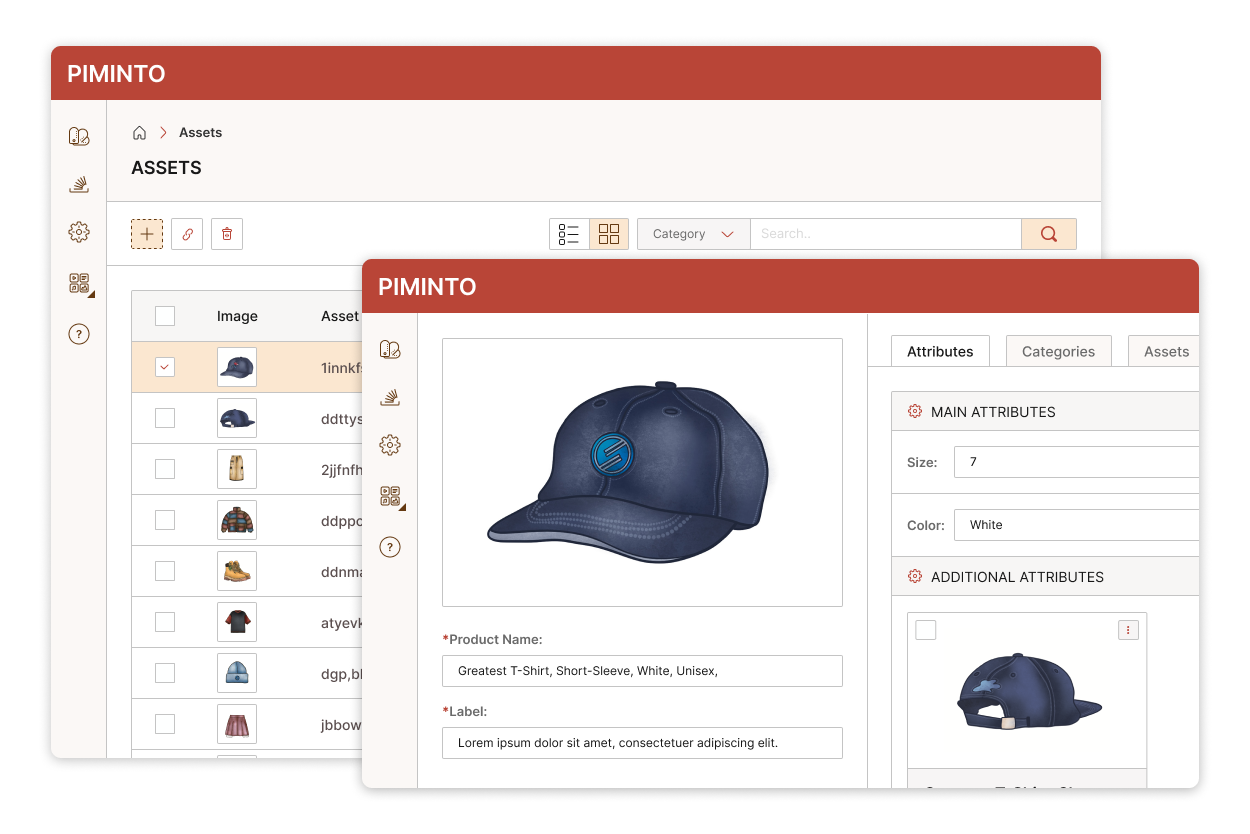
Retailers and eCommerce teams need to deliver accurate, high-quality product visuals across marketplaces. DAM integrates with PIM software and ecommerce platforms to keep listings visually consistent and up to date.
Designers, photographers, and content creators use DAM to collaborate, share drafts, manage file versions, and push finalized files into production, without relying on email attachments or shared drives.
Sales reps need quick access to brochures, case studies, videos, and pitch decks. A DAM provides a searchable, always-updated portal of approved, on-brand materials.
Secure access to media libraries from anywhere allows remote teams, franchisees, and regional offices to use content consistently across time zones and markets.
Is Your Business Ready for PIM?
Take our 2-minute assessment and get personalized recommendations
-
Analyze your current product data challenges
Get instant recommendations based on your business profile
See which PIMinto plan fits your needs
Learn if PIM will solve your specific problems
Integrating DAM with Other Business Tools
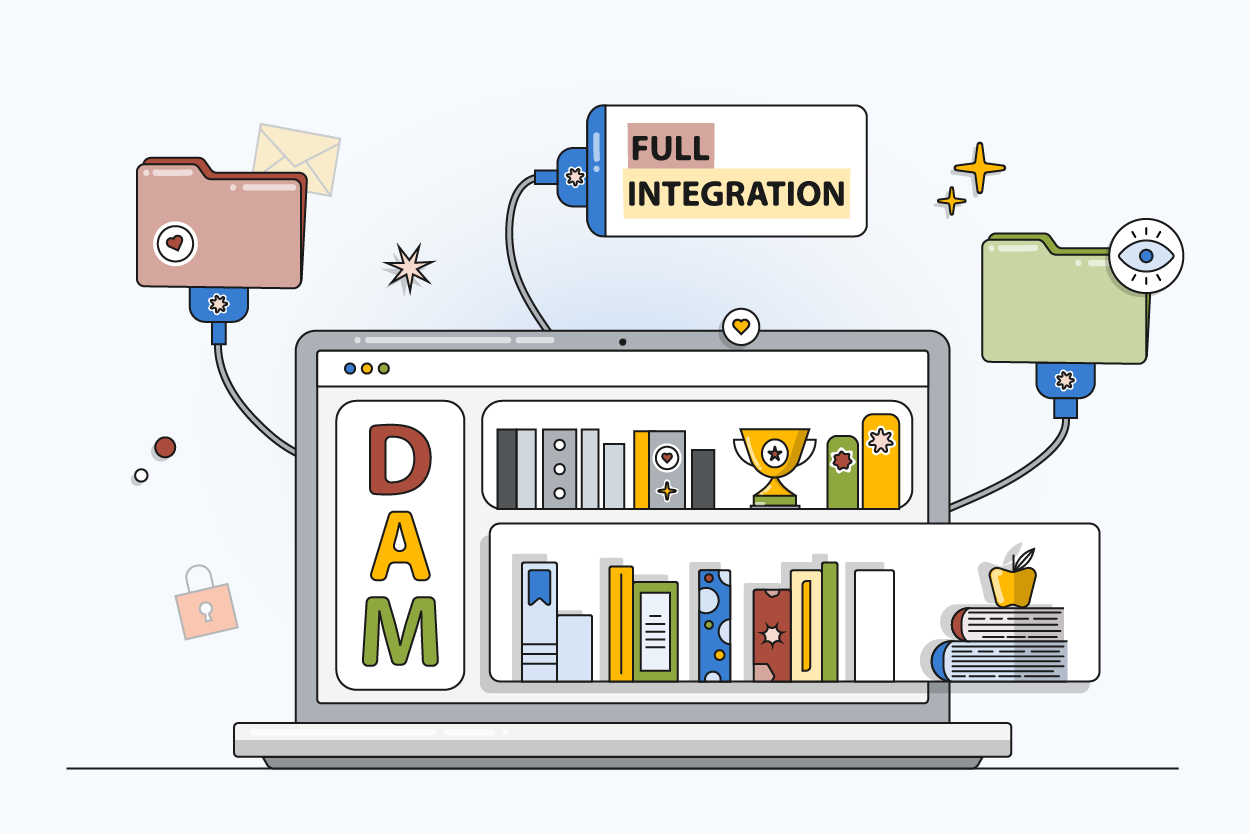
Integration capabilities often determine real-world DAM value. The most effective implementations create seamless workflows spanning multiple business applications.
CMS integration allows approved assets to flow directly to websites, ensuring web content stays current while reducing manual effort.
Marketing tools can pull from DAM libraries to fuel personalized campaigns, keeping brand assets consistent and up to date.
Social platforms benefit from direct access to brand-compliant assets already optimized for each channel, streamlining scheduling and publishing.
DAM integrations with ecommerce systems help keep product listings accurate and visually consistent by syncing the latest images and specifications.
Integrations with tools like Adobe Creative Cloud or Canva enable creative teams to work with DAM assets directly inside their design environments, improving speed and consistency.
Looking for More Than Just Asset Management?
Digital asset management is powerful, but it's just one capability of a modern PIM system. Discover what else you're missing without a complete solution.
Common Challenges in Digital Asset Management
Understanding potential challenges helps organizations prepare for successful implementation and ongoing management.
Teams accustomed to existing workflows may resist new systems, especially if training is inadequate or the system seems complex. Success requires demonstrating clear value and providing comprehensive support during transition.
Organizations often start with too complex metadata schemas that burden users or overly simple systems that don't provide enough organization. Finding the right balance requires understanding how different teams will use the system.
Integration complexity often exceeds initial expectations. While modern DAM systems offer extensive capabilities, configuring connections properly requires technical expertise and careful planning.
Additionally, storage and scalability issues can emerge as asset libraries grow. Organizations may underestimate storage needs or choose platforms that don't scale cost-effectively.
Without proper governance, asset libraries become cluttered with outdated, duplicate, or low-quality content. Establishing clear content standards and regular maintenance procedures helps maintain system value.
Future Trends in Digital Asset Management
The DAM landscape continues evolving rapidly, driven by technological advances and changing business needs.
How teams manage assets is changing as a result of AI. These days, AI-powered DAM systems automatically identify people, objects, and products in photos and videos using visual recognition rather than manual tagging.
Machine learning also improves asset recommendations by analyzing user behavior and project context. These systems learn from patterns to surface the most relevant content, saving teams time and reducing friction in creative workflows.
Modern DAMs are moving beyond storage and into performance tracking. Advanced analytics give organizations clear visibility into which assets are used most, what’s underutilized, and how content performs across campaigns. This insight helps teams close gaps, streamline production, and invest in the content that drives results.
As remote collaboration becomes the norm, cloud-native DAM systems offer the flexibility and scalability today’s businesses need. These platforms support distributed teams with real-time access, automatic updates, and elastic infrastructure that adapts to workload demands.
Mobile-first functionality is also advancing. Field teams and remote users can now upload, tag, search, and share assets directly from mobile devices, unlocking true asset accessibility from anywhere.
Video-first features are becoming prevalent as video content dominates digital marketing. DAM systems are developing sophisticated video functionality, including automatic transcription, scene detection, and video analytics.
Beyond video, new content types like AR, VR, and interactive presentations are entering the mix. Forward-thinking DAM systems are adapting quickly, offering tools to manage and deliver next-gen media as part of an integrated content workflow.
See PIMinto in Action
Experience how unified asset and product management streamlines your entire content workflow. Get a personalized demo tailored to your business needs.
DAM Frequently Asked Questions
What are Examples of Digital Assets?
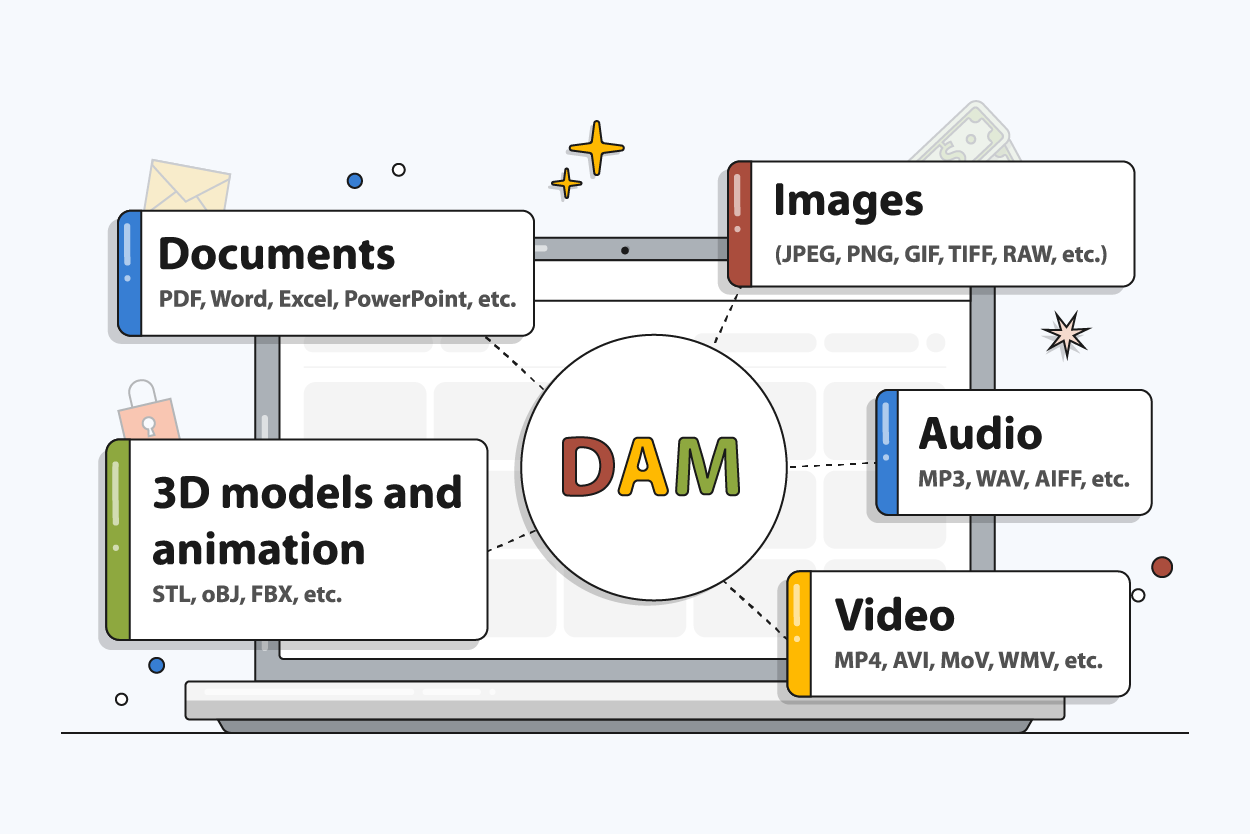
Digital assets include almost any document you count on to market or run your business. That includes product photos, logos, lifestyle shots, videos, PDFs, presentations, design documents (like Photoshop or Illustrator), audio files, and so on. If it's some digital data that your employees need to access and reuse, it's a digital asset.
What Does Digital Asset Management Do?
Digital asset management helps you store, manage, and access your digital files in one location. It helps teams quickly find what they need, ensure brand consistency, and be more efficient through capabilities like search, versioning, and user permissions.
What is the Best Digital Asset Management Software?
The ideal DAM platform depends on what your organization requires. A small online retailer might not require the same set of features as a multinational corporation. PIMinto is suitable for product-content-driven companies. Some other favored ones are Bynder, Brandfolder, Widen, and Adobe Experience Manager.
What Does DAM Stand for in Marketing?
DAM in marketing stands for Digital Asset Management. It is what marketers use to control brand assets, share campaign assets, and provide consistency of messaging throughout channels. DAM systems help in speeding up approvals, reducing errors, and giving teams more control over the use of content.
Blogs & Views
-
Best PIM Software for Shopify in 2026
Best PIM Software for Shopify in 2026 Best PIM Software for Shopify in 2026 Your Shopify catalog is a mess. Not because you're doing anything wrong , it's just what happens when you're juggling product data a...

-

Product Descriptions Optimization: 7 Proven Strategies for eCommerce Success
Every word on your product page matters. The right description attracts search traffic, builds trust, and drives sales. Whether you sell on Amazon or your own website, optimized product descriptions act as sales tools that work around the clock to co...
-

15 Challenges for eCommerce in 2025
Running an online store in 2025 is exciting and stressful. Ecommerce has evolved to be one of the leading industries globally, but the path to success is filled with challenges. From supply chain insecurity to swelling customer expectations, ecommerc...
-
The Complete Guide to PIM for Retail: Transform Your Product Management
Product data drives retail. Every product in your inventory has names, prices, specs, images, videos, and more. Multiply that out across hundreds or thousands of SKUs, spread across multiple channels, and the task of keeping it all current becomes da...