Smart PIM Solution for Growing Businesses
Organize, enrich, and distribute your product data effortlessly with
AI-powered PIM
Benefits of Product Information Management Systems
Having a "single source of truth" with all of your product data easily accessible and organized has many advantages. One of those advantages is the ability to collaborate with other team members to enrich the data using old-fashioned editing techniques or by leveraging AI. Utilizing PIM tools also allows faster data syndication and publishing of product content. This includes the ability for the PIM platform to map data and share product information in different data formats and simplifies the process of marketplace integration and sharing product information across many channels. Some other vital PIM benefits include:
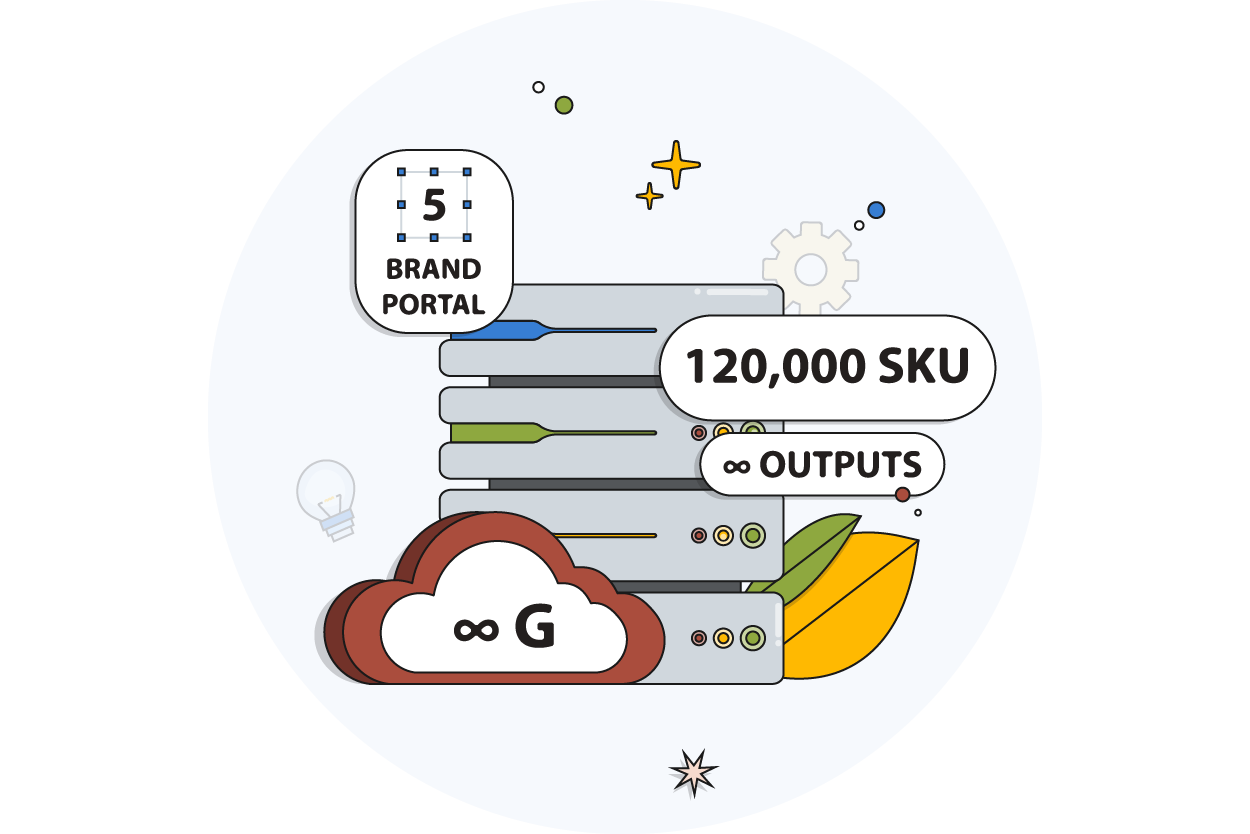
Larger catalogs result in more complex data management. PIM systems can handle increasing volumes of information. The software makes it easy to manage hundreds of thousands of SKUs across many categories.
PIM software lets you quickly prepare and publish product information. It can automate tasks and validate data to reduce the time it takes to launch new products.
Product data management often leads to errors and inconsistencies. A PIM system minimizes these risks by centralizing data and automating repetitive tasks.
PIM systems free up valuable team resources. This allows your staff to focus on high-value activities like marketing strategy and product development instead of easily automated data entry.
Here are just some of the features you'll get when you use our PIM
Start saving and get organized. Discover unparalleled value and savings.

Start for Free
No Credit Card Required.
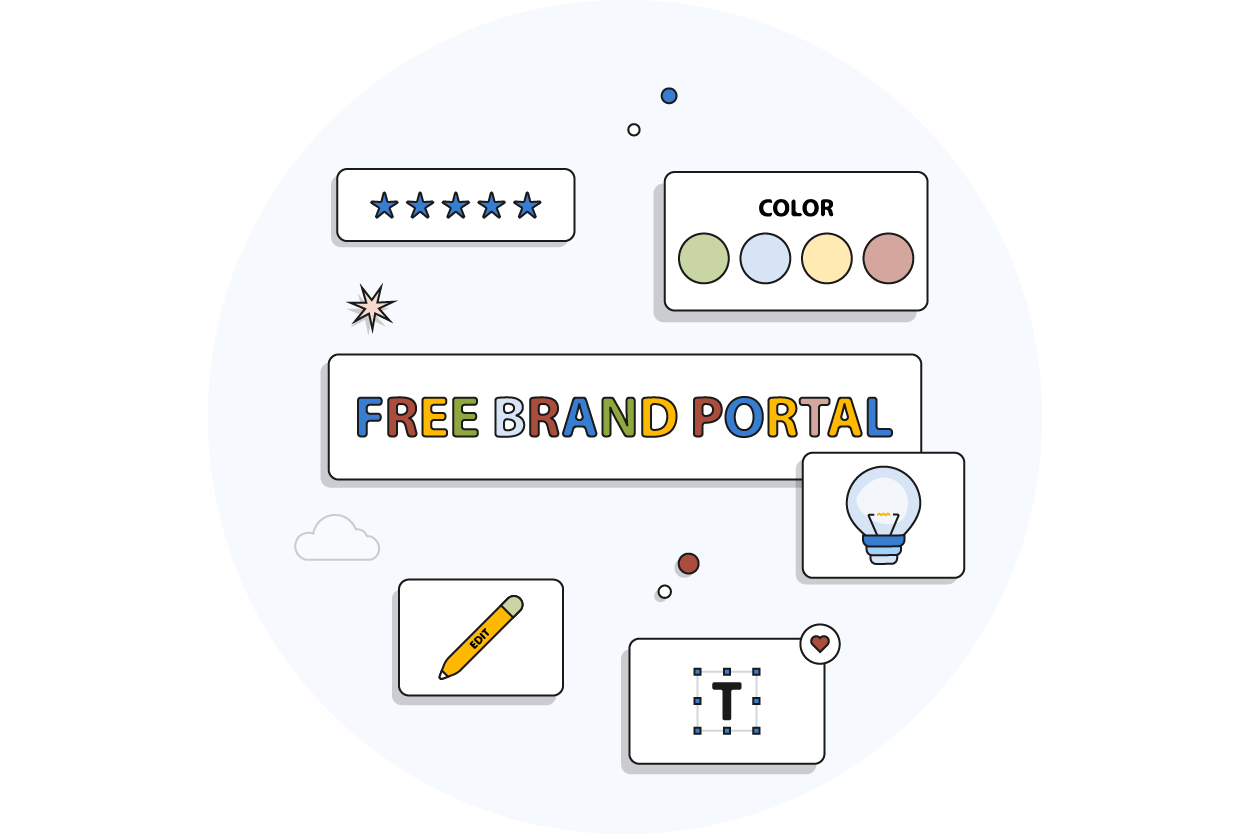
Brand Portal
Free and customizable brand portal

Unlimited Channels
Expand your reach effortlessly with support for an unlimited number of sales channels

Free Onboarding
Empower Your Team, Empower Your Business!

AI-Powered Assistant
Enrich product content and automate tasks with the power of AI
Bulk Import and Export
Save time and effort with batch import and export for large data volumes

Advanced User Management
Control access with role-based permissions

Product Relationships
Link products and variants to create rich shopping experiences and boost customer satisfaction
Now Imagine All These Features Working for YOU
Stop wondering "what if" and start seeing what's possible. Join a personalized demo where we'll show you key features in action and explain how each one tackles your specific challenges.
PIM Pricing plans and features
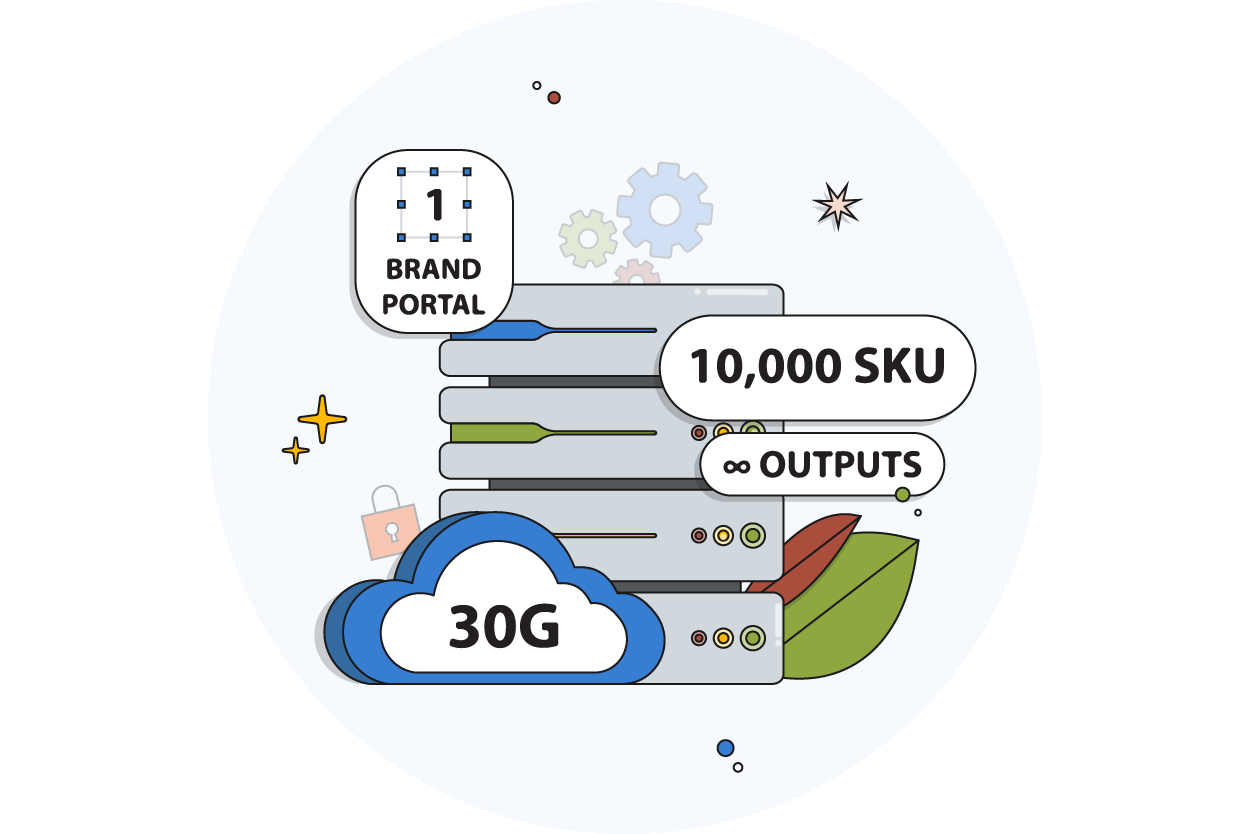
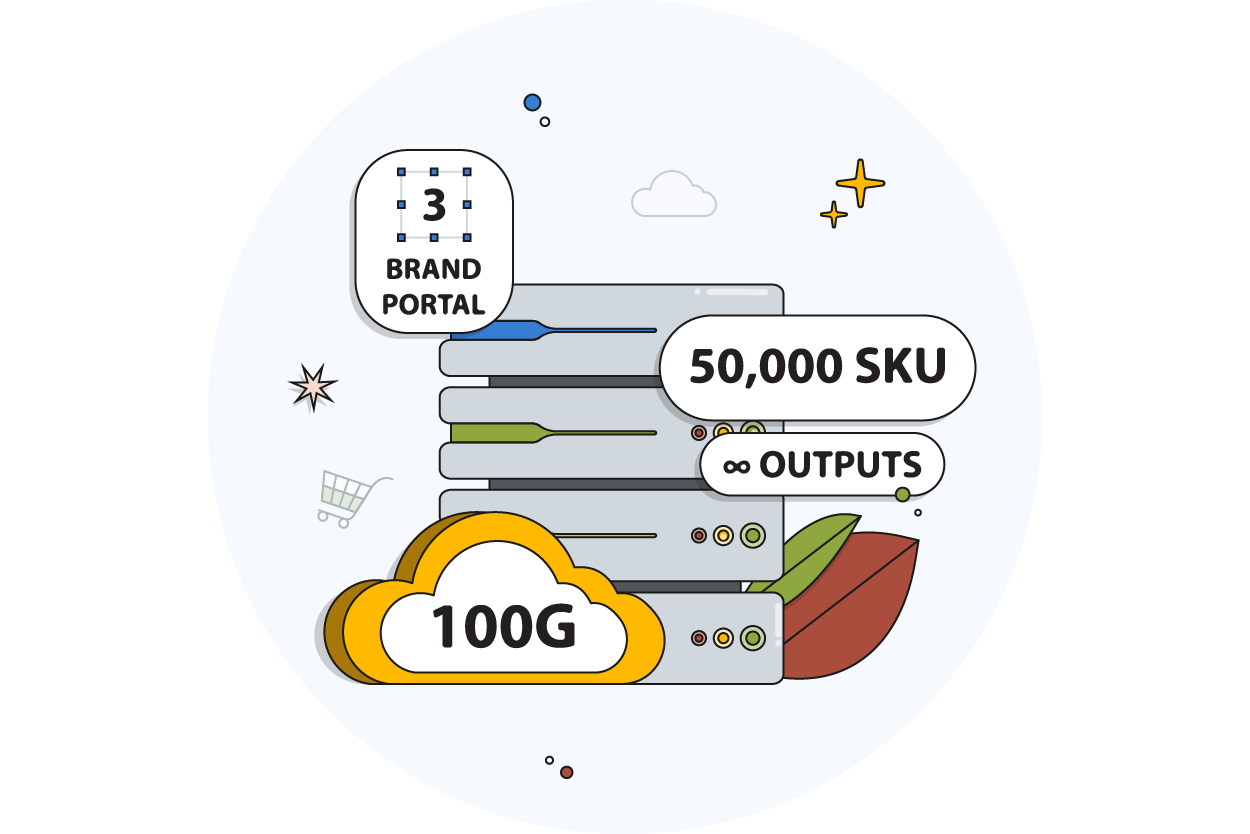
It's easy to get started with our Free plan. You can check and choose all subscriptions plans and pricing and learn from your own experience why PIMinto is the best PIM software for organizing your product data and growing your business. You can change your subscription plans whenever you want.
Leading PIM Software Options
Several PIM software options stand out for their robust features and capability to transform product information management:
Frequently Asked Questions
What is PIM software?
PIM stands for Product Information Management. A PIM is a centralized repository or specialized database for storing product information that provides a user interface that makes editing, updating, managing and sharing all of the information about one or more products simple and straight forward. The specialized design of the PIM provides features that save significant time in maintaining and sharing the product data.
How to implement PIM?
Go to PIMinto.com and request to create a New PIM with “Start now” button. Fill in the form with your info. One of our staff members will reach out to discuss your specific requirements.
How much does a PIM Cost?
PIMinto PIM offers both FREE and paid subscription plans. Paid plans start at $100 per month.
Why PIM is important?
Having accurate product information is the most important aspect for any business. The more accurate and up to date product information is, the better a business can sell to, promote and inform customers about their products.
How to choose a PIM?
Choosing a PIM is a combination of finding the solution that offers the features you need at a competitive price point. The added value of training, support and onboarding should not be under estimated. PIMinto offers free training, support and onboarding.
What is an example of PIM?
PIMinto PIM is an example of a PIM. PIMinto PIM acts a as single source of truth and organizes and streamlines product information management.
What is the best PIM software?
The best PIM software depends on your business's unique needs. Top platforms offer similar capabilities for core PIM functions like centralized data management and the ability to connect with external platforms. Beyond this, what makes one platform stand out over another is based on your specific use case. If you need a robust but easy-to-learn PIM, then PIMinto is your best option. If you need to manage an enterprise catalog or want experience management features, Akeneo or Salsify may be worth consideration.
What is the difference between PIM and MDM?
PIM focuses on centralizing and enriching product-specific data for marketing and sales channels while MDM handles a wider range of business-related data. This can include customer profiles, supplier records, employee information, financial data, and operational metrics. In most cases, MDM lacks the product content enrichment and syndication capabilities found in a PIM.
What is PLM vs PIM?
PIM and PLM are two different forms of product management. Product lifecycle management (PLM) is the process of managing a product throughout its entire production lifecycle. It goes all the way through concept to engineering, manufacturing, sales, and eventual disposal. Some of the information involved in PLM includes product design data, engineering change orders, bill of materials (BOM), and regulatory compliance information. A PLM solution is a dedicated system for managing the product lifecycle.
In contrast, PIM focuses on managing customer-facing product details used for marketing and sales. This includes descriptions, pricing information, images, attributes, product relationships, and any other information available to customers.
What is PLM vs PIM?
PIM and PLM are two different forms of product management. Product lifecycle management (PLM) is the process of managing a product throughout its entire production lifecycle. It goes all the way through concept to engineering, manufacturing, sales, and eventual disposal. Some of the information involved in PLM includes product design data, engineering change orders, bill of materials (BOM), and regulatory compliance information. A PLM solution is a dedicated system for managing the product lifecycle.
In contrast, PIM focuses on managing customer-facing product details used for marketing and sales. This includes descriptions, pricing information, images, attributes, product relationships, and any other information available to customers.
Blogs & Views
-
Best PIM Software for Shopify in 2026
Best PIM Software for Shopify in 2026 Best PIM Software for Shopify in 2026 Your Shopify catalog is a mess. Not because you're doing anything wrong , it's just what happens when you're juggling product data a...

-

Product Descriptions Optimization: 7 Proven Strategies for eCommerce Success
Every word on your product page matters. The right description attracts search traffic, builds trust, and drives sales. Whether you sell on Amazon or your own website, optimized product descriptions act as sales tools that work around the clock to co...
-

15 Challenges for eCommerce in 2025
Running an online store in 2025 is exciting and stressful. Ecommerce has evolved to be one of the leading industries globally, but the path to success is filled with challenges. From supply chain insecurity to swelling customer expectations, ecommerc...
-
The Complete Guide to PIM for Retail: Transform Your Product Management
Product data drives retail. Every product in your inventory has names, prices, specs, images, videos, and more. Multiply that out across hundreds or thousands of SKUs, spread across multiple channels, and the task of keeping it all current becomes da...